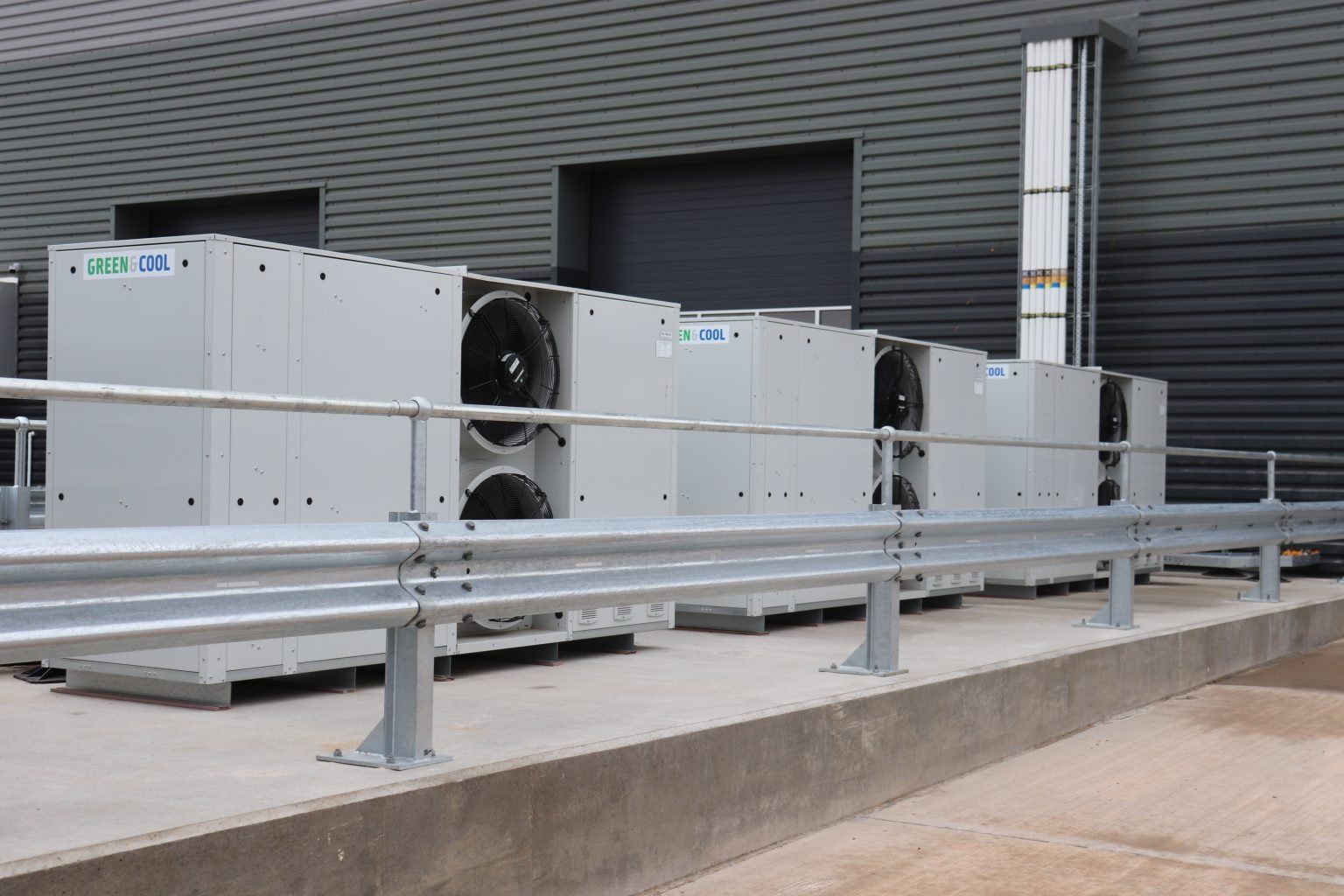
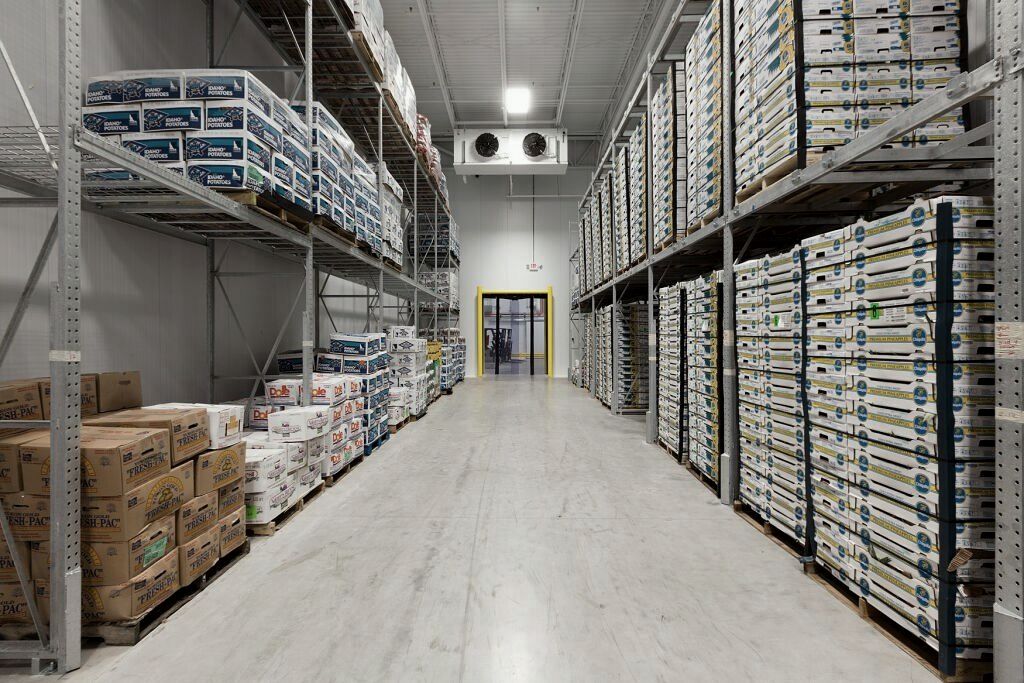
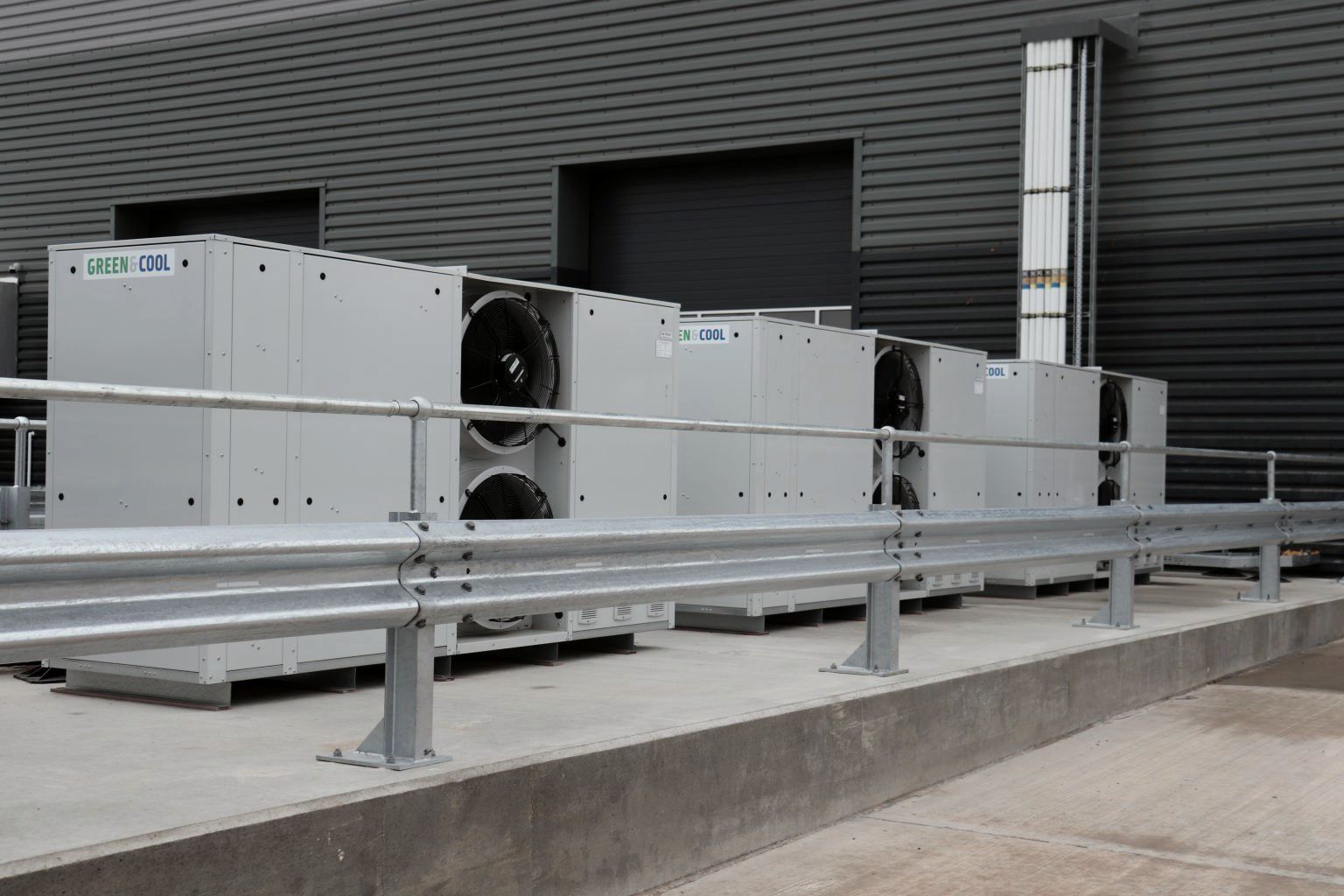
Condensing units are often picked from catalogue ratings taken at around 32 °C ambient. On a Dubai roof in August the air entering the condenser can be well over 45 °C. Capacity falls, head pressure climbs, and the room that held temperature in the morning drifts every afternoon.
The rating point problem
Every condensing unit is sold with a rated capacity, and that figure is measured at standard conditions. For condensing units the reference ambient is typically around 32 °C. Pick a unit from the catalogue at that rating and you have chosen plant for a warm European summer’s day.
A Dubai summer is a different duty. Shade temperatures regularly reach the mid-40s, and the air around a condenser on a sunny roof, next to other plant discharging hot air, is hotter again. The unit is being asked to do the same job in conditions it was never rated for.
What happens at the condenser
A condenser rejects heat to the air around it. The hotter that air, the higher the condensing pressure and temperature have to climb before heat will flow out. Three things follow: cooling capacity falls, power draw rises, and the compressor runs closer to its limits. On the hottest afternoons the high-pressure safety switch trips, the plant stops, and the room starts to warm.
What you’ll see
- Room temperature creeping up through the afternoon and recovering overnight
- Compressors running non-stop, or tripping on high pressure
- Short compressor life and repeat call-outs every summer
- Energy bills that rise sharply from May to September
Designing it out on a new build
- Select plant on its capacity at the real design ambient, +50 °C at the condenser, not the catalogue rating
- Choose compressors and condensers rated for high-ambient duty, and size condensers generously
- Site condensers in shade with clear air in and out, away from other plant’s discharge
- Allow for dust: coil spacing that resists clogging, and access for cleaning
- Check coils and controls for high-ambient duty at commissioning
Putting it right on an existing room
Start by measuring rather than guessing. We log suction and discharge pressures, room and ambient temperatures and run times through a hot afternoon. That shows whether the plant is short of capacity, short of airflow, or simply dirty.
- Clean the condenser coil and repair or replace failed fans
- Stop hot-air recirculation with baffles, by moving the unit, or by raising it
- Shade the condenser without restricting airflow
- Correct the refrigerant charge and repair leaks
- If the plant is undersized, add capacity or replace it with plant selected for Gulf ambient
Room drifting in the afternoon? We survey existing rooms, whoever built them, and tell you whether the fix is cleaning, re-siting or new plant.
Book a free survey