Most failures start small: a fan motor, a drifting thermostat, a door left ajar overnight. Without monitoring, the first alarm is spoiled stock at the start of a shift.
Small faults, big losses
A cold room rarely fails all at once. A condenser fan stops and the plant struggles. A controller drifts a few degrees. A door is left ajar at the end of a shift. Each of these is cheap to fix if someone knows about it within the hour. Found in the morning, the stock may already be lost.
What a useful system does
- Measures room temperature with a probe independent of the controller
- Logs readings at fixed intervals and keeps the records
- Alarms on high and low temperature, with a delay so normal door openings and defrosts do not trigger it
- Alarms on power failure and on doors left open
- Sends alarms by phone and message to more than one person, and escalates if nobody responds
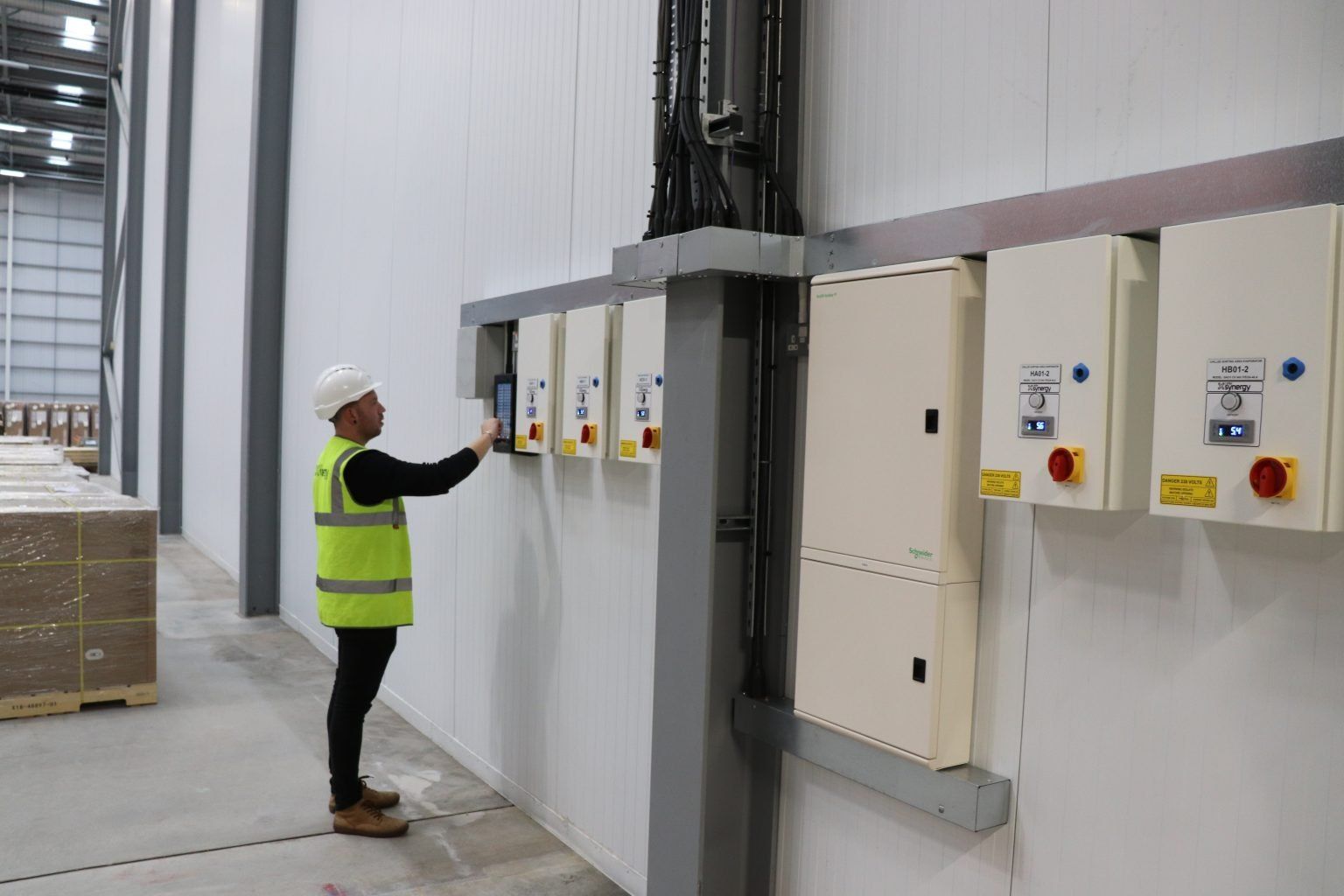
- Lets you check every room from a browser or phone
Records for audits
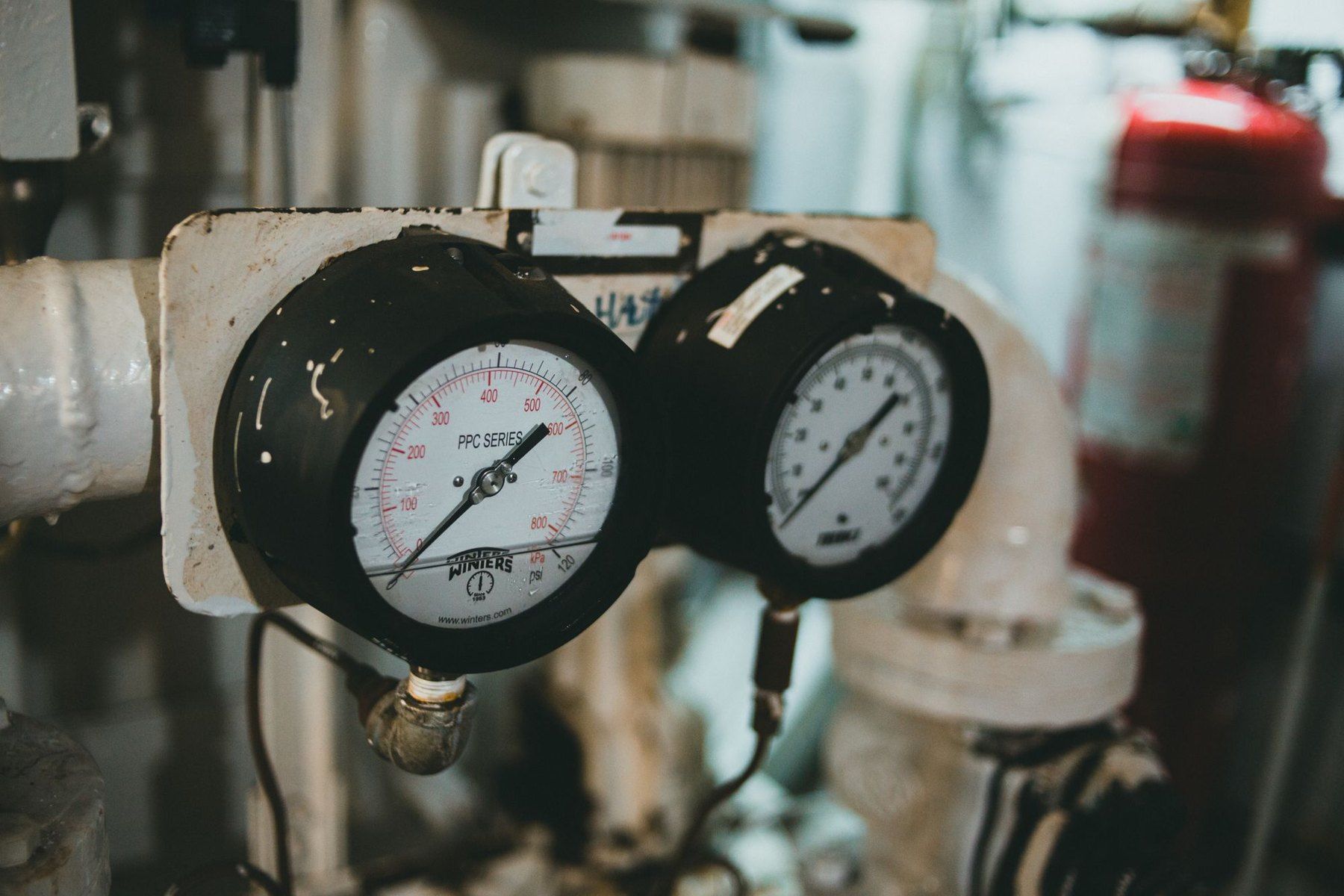
Food-safety and pharmaceutical audits ask for temperature records. A monitoring system produces them automatically, with alarms and corrective actions logged alongside, instead of a paper sheet filled in twice a day. For pharmaceutical storage it is close to essential. Pharmaceutical cold rooms.
Using the data
Monitoring data is also a maintenance tool. A room that takes longer to recover after each defrost, a compressor running longer every week, or a door that is open more than it should be all show up in the logs before they become a breakdown. Our planned maintenance visits review the data, not just the plant.
Adding monitoring to an existing room
Monitoring can be added to almost any cold room without changing the refrigeration. For most operators it is one of the lowest-cost improvements they can make.
No monitoring on your rooms? We can add it to existing rooms, whoever built them, and set up the alarms for your team.
Book a free survey